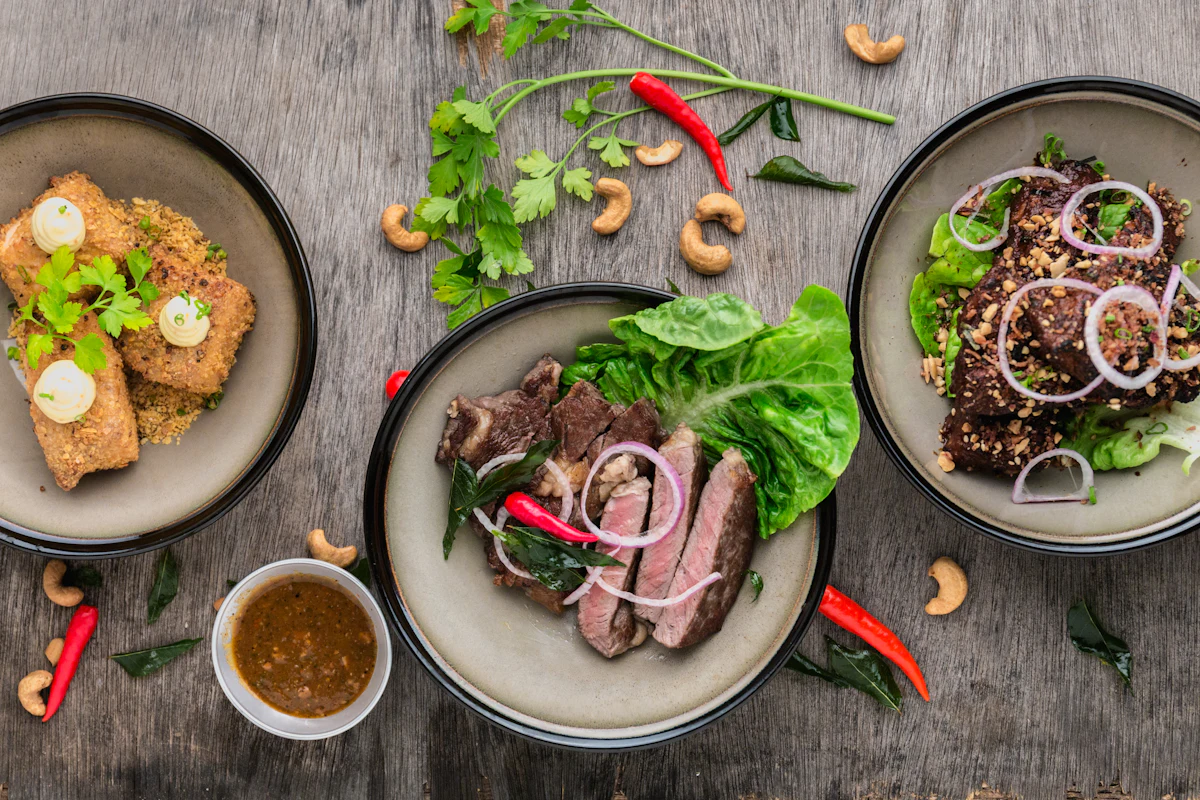

Food can turn a good trip into a trip you remember for years. Not because every meal has to be fancy, but because eating is one of the quickest ways to feel where you are. A bowl of noodles after a long walk, a pastry from a corner bakery, fruit from a market, grilled fish by the coast, coffee at a busy counter: these are the details that stay with you.
The challenge is balance. If you plan every meal, travel starts to feel like admin. If you plan nothing, you can end up hungry, tired and sitting somewhere forgettable because it was nearby. A little strategy helps you eat well without turning your holiday into a restaurant spreadsheet.
Learn a few local dishes before you go
You do not need to become an expert. Learn five to eight dishes, drinks or ingredients that are typical of the place you are visiting. This gives you a way into menus and markets. It also helps you avoid ordering only the familiar option because you are unsure what everything means.
Look for regional specialities rather than generic “best food” lists. In many places, the dish people are proud of is tied to a city, season, festival, coastline, mountain area or family tradition. That context makes the meal more interesting before the first bite.
Use markets as your first food lesson
Markets are brilliant for travellers because they show you what people buy, snack on and talk about. Go early if you want produce and local rhythm. Go later if the market is known for prepared food. Walk once before buying. Notice which stalls are busy, which dishes are being cooked fresh, and what people seem to order repeatedly.
Street food is often safest and best when turnover is high. Choose stalls where food is cooked in front of you, ingredients look fresh, and the queue is moving. If a place specialises in one or two things, that is often a good sign. It usually means they make those things all day and make them well.
Book one or two meals, not every meal
If there is a restaurant you truly care about, book it. Popular places can fill weeks ahead, especially in high season. But keep most meals flexible. You may discover a neighbourhood you want to stay in longer, meet someone with a recommendation, or simply feel like something different from what you planned three days ago.
A useful approach is to save a short list by area: a bakery, a casual lunch place, a coffee stop, a dinner option, and one late-night backup. Then when plans shift, you still have good choices nearby.
Respect the local rhythm
Meal times vary widely. In some places lunch is the main event. In others, dinner starts late. Some restaurants close between services, on Sundays, or on a random weekday. Check opening hours before you cross town, and do not assume your normal eating schedule will fit everywhere.
It also helps to learn a few food phrases: hello, thank you, please, without meat, not spicy, allergy terms, and the bill please. Even imperfect effort is appreciated, and it can make ordering feel less intimidating.
Eating well when you travel is mostly about curiosity. Follow the busy stalls, ask simple questions, try the thing the place is known for, and leave room for the meal you did not see coming.